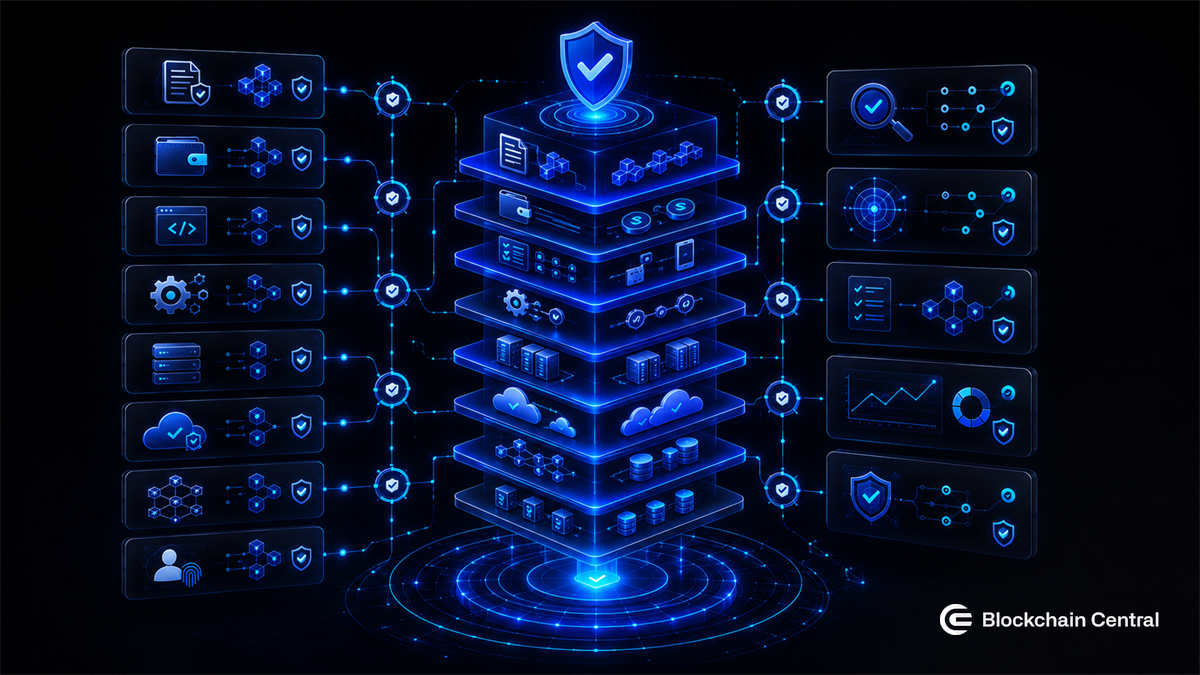
Full-Stack Web3 Security Architecture

Production Web3 security needs more than a smart-contract audit. This architecture guide shows how founders, CTOs, and technical operators should think across frontend delivery, wallet signing, contracts, APIs, RPC providers, cloud/IAM, secrets, CI/CD, monitoring, and incident response before launch or scale.

0 Comments

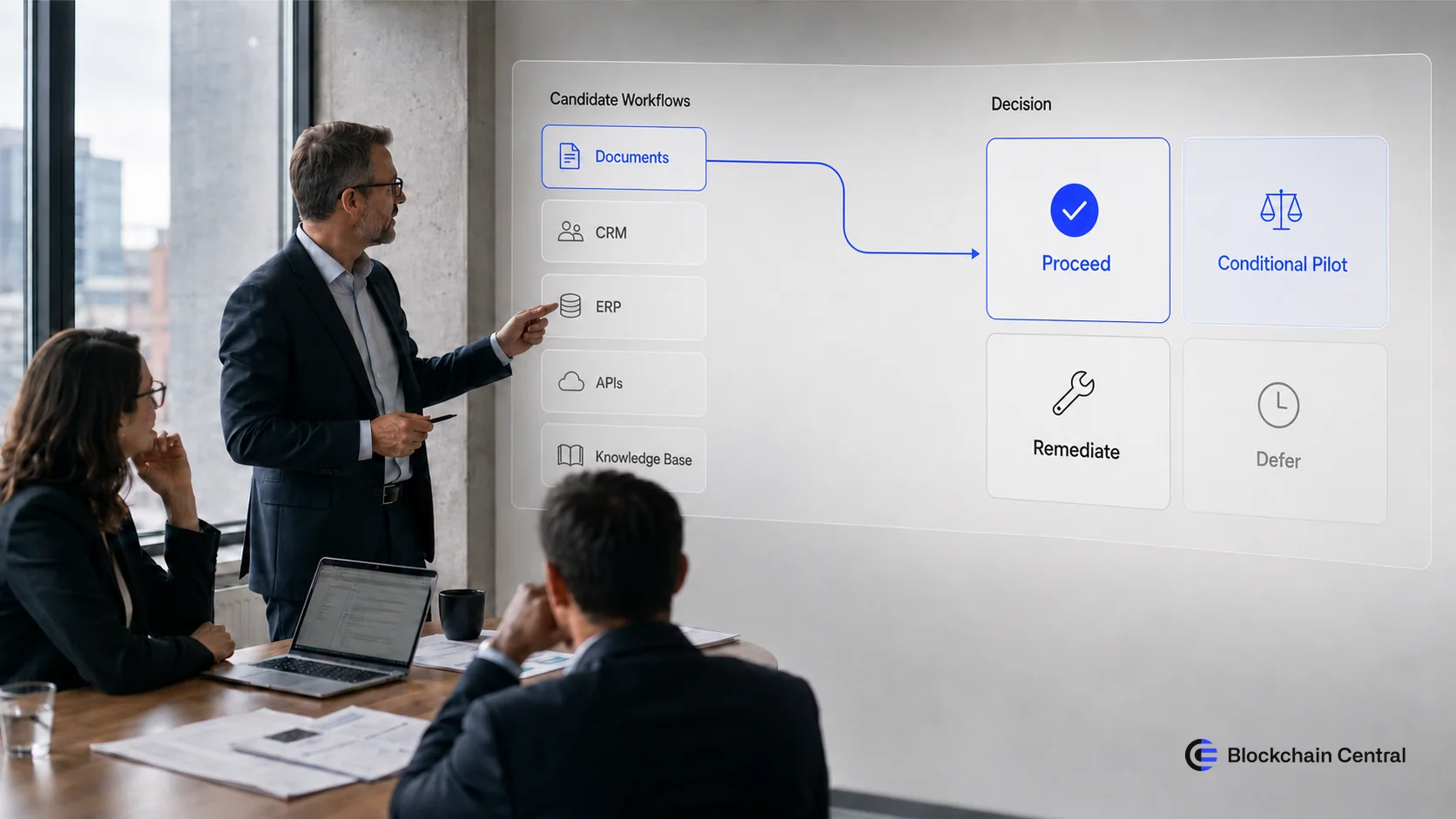
Which Business Workflow Should You Automate with AI First?

Most enterprise AI projects fail before a model is selected. This article introduces the Blockchain Central AI Workflow Readiness & ROI Scorecard, a framework that helps leaders choose the right first workflow by evaluating readiness and ROI, avoiding common anti-patterns, and deciding between build, buy, and hybrid paths.

0 Comments
Read more about the article Frontend Wallet Risks: How Web3 Users Get Tricked Before the Contract Fails
Frontend wallet security protects the moment users decide what to connect, approve, sign, and trust inside a Web3 product.

Frontend Wallet Risks: How Web3 Users Get Tricked Before the Contract Fails

Most Web3 users never read smart contract code. They trust the website, the wallet popup, the transaction preview, the token approval screen, and the signature request in front of them. This article focuses on frontend and wallet interaction risk: the layer where users connect, approve, sign, and trust what the product shows them.

0 Comments
Read more about the article Web3 Security Testing Scope: What Founders Should Test Before Launch
A complete Web3 security testing scope should cover the full product stack, from smart contracts and wallet flows to APIs, infrastructure, integrations, and launch readiness.

Web3 Security Testing Scope: What Founders Should Test Before Launch

A smart contract audit is important, but it is not the same thing as securing a Web3 product before launch. This guide explains what founders, CTOs, product teams, and investors should expect in a proper Web3 security testing scope before going live.

0 Comments